
-
-
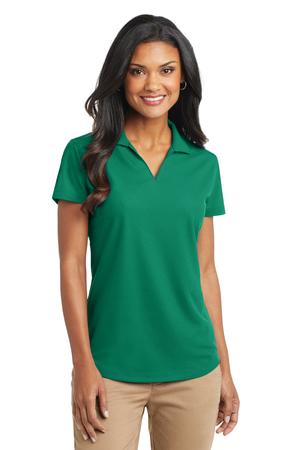 Port Authority L572 - Women's Dry Zone Grid Polo - Jewel GreenStarting at $16.38Port AuthorityL572
 -
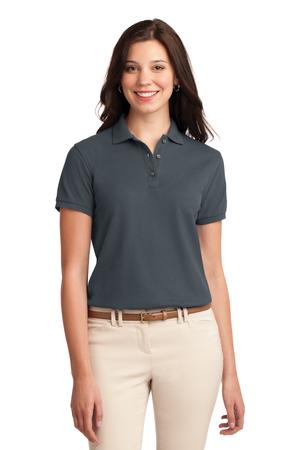 Port Authority L500 - Women's Silk Touch Polo - Steel GrayStarting at $18.43Port AuthorityL500
 -
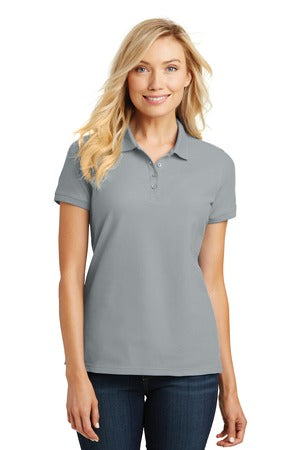 Port Authority L100 - Women's Core Classic Pique Polo - Gusty GrayStarting at $14.34Port AuthorityL100
 -
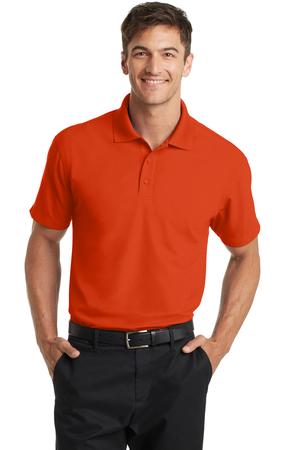 Port Authority K572 - Unisex Dry Zone Grid Polo - Autumn OrangeStarting at $16.38Port AuthorityK572
 -
-
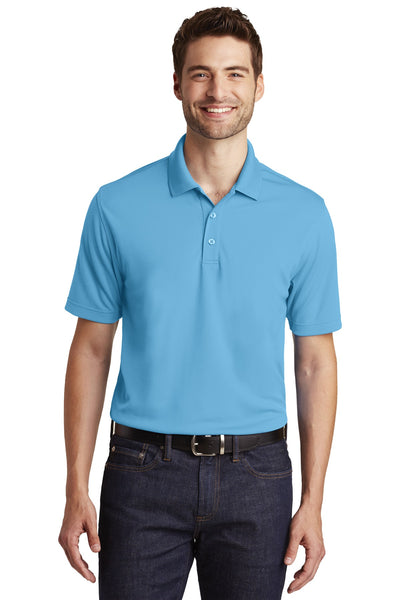 Port Authority K110 - Unisex Dry Zone UV Micro-Mesh Polo - Carolina BlueStarting at $17.39Port AuthorityK110
 -
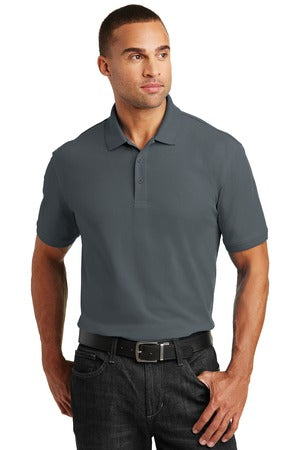 Port Authority K100 - Unisex Core Classic Pique Polo - GraphiteStarting at $14.34Port AuthorityK100
 -
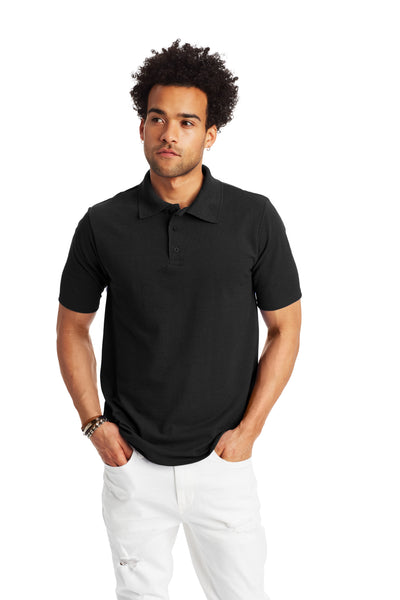
-
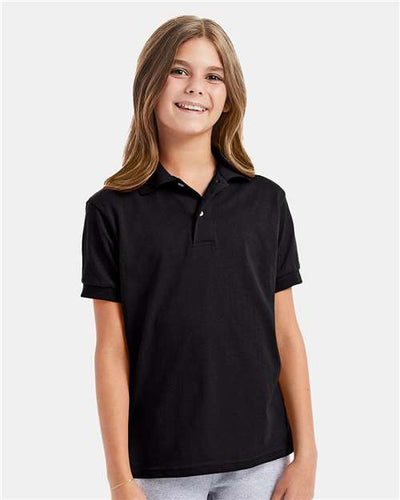
-
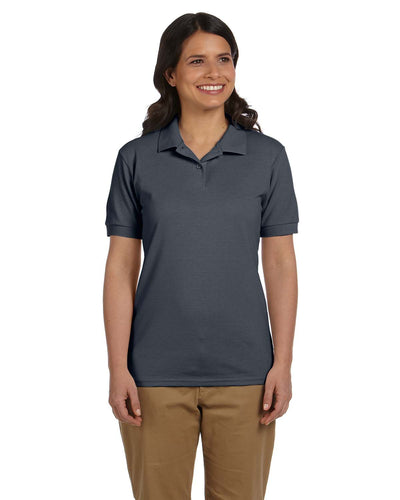
-
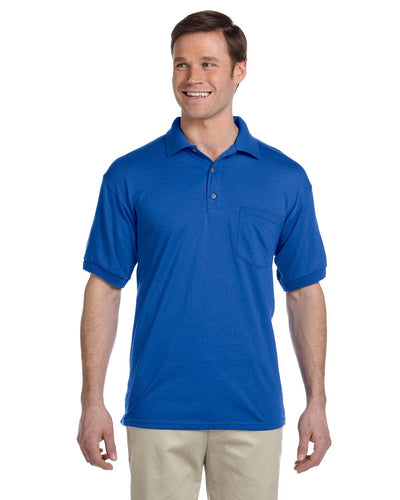
-
-
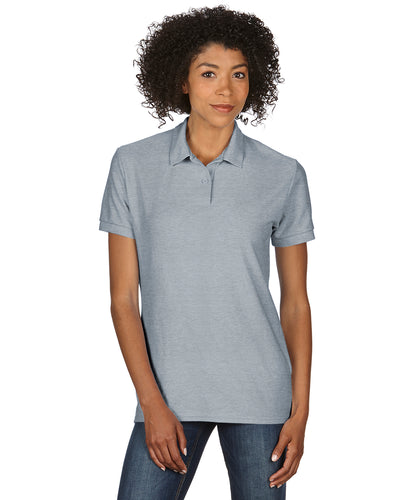
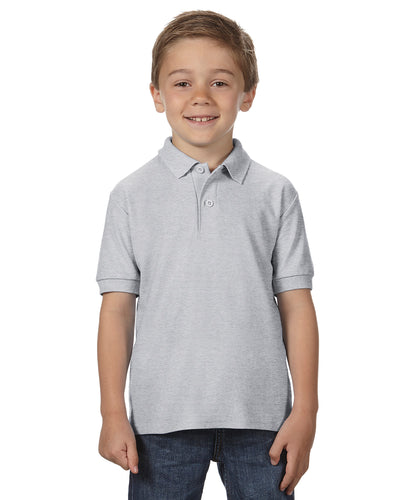
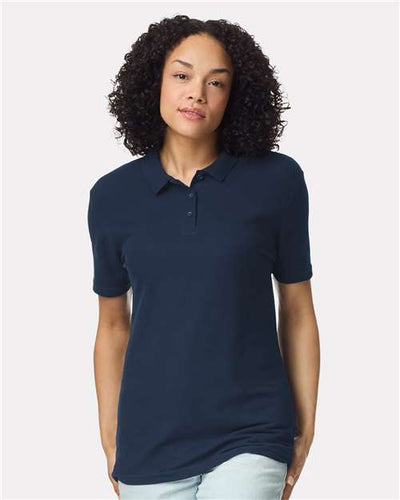
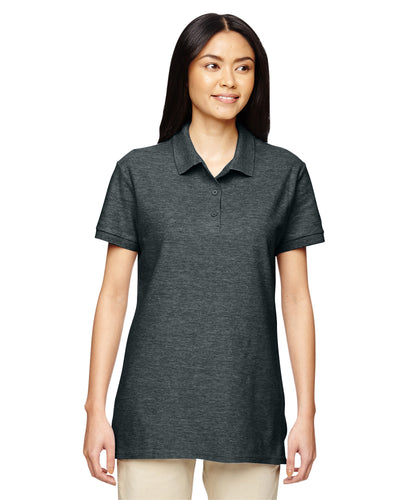 Gildan G828L - Women's Premium Cotton® Women's Double Piqué Polo - Dark HeatherStarting at $12.75GildanG828L
 -
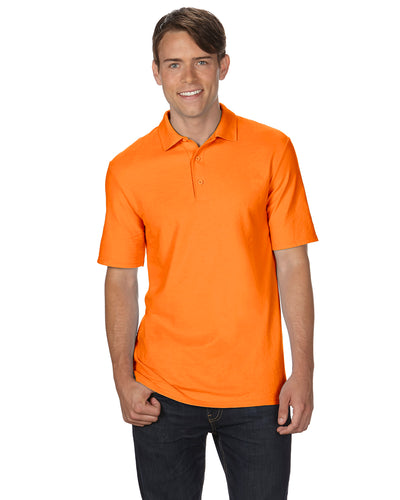
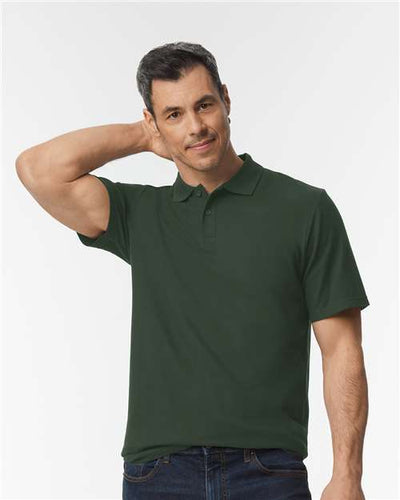
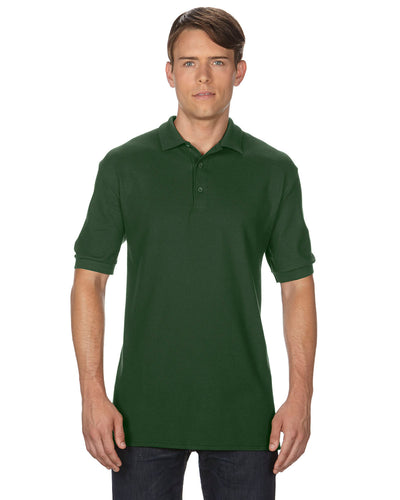 Gildan G828 - Unisex Premium Cotton® Double Piqué Polo - Forest GreenStarting at $11.49GildanG828
 -
-
-
-
-
-
-
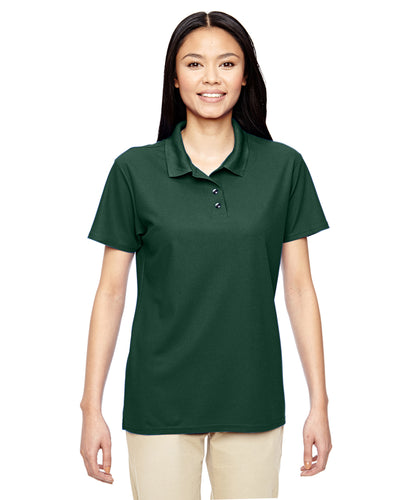 Gildan G458L - Women's Performance® Double Piqué Polo - Forest GreenStarting at $12.78GildanG458L
 -
-
-
-
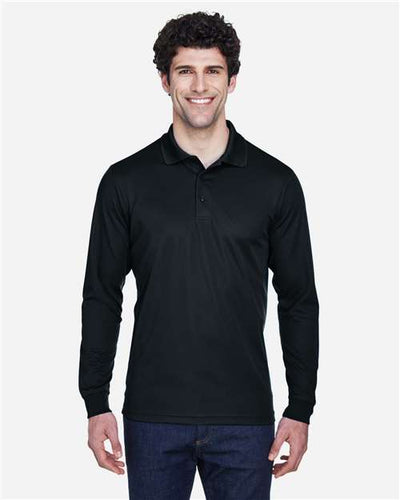


 +4Core365 88192 - Men's Pinnacle Performance Long-Sleeve Piqué Polo - BlackStarting at $16.20Core36588192
 -
-
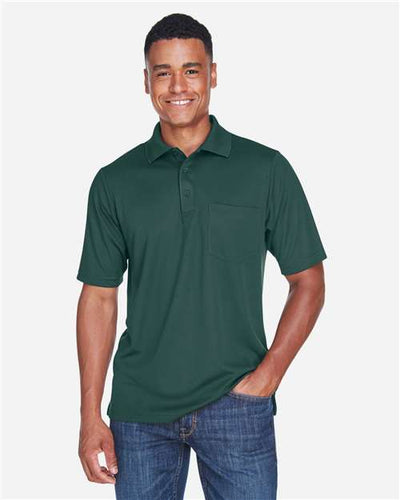


 +3Core365 88181P - Men's Origin Performance Piqué Polo with Pocket - Forest 630Starting at $13.50Core36588181P
 -
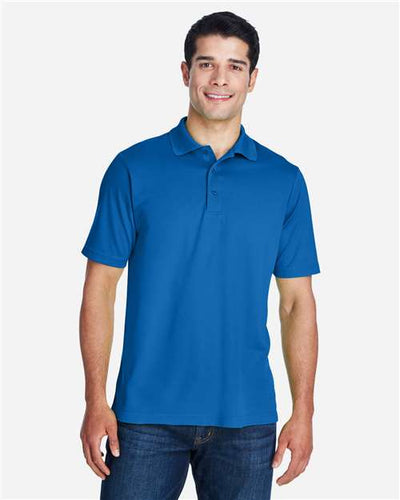


 +10Core365 88181 - Men's Origin Performance Piqué Polo - True RoyalStarting at $12.15Core36588181
 -
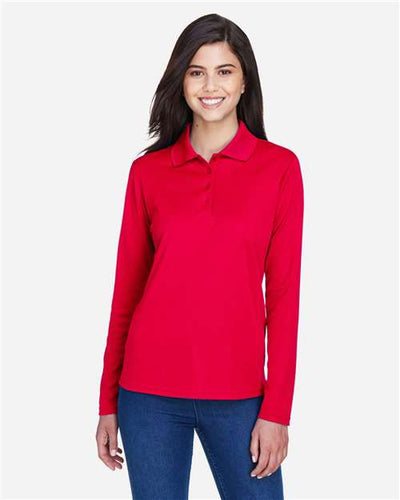


 +4Core365 78192 - Women's Pinnacle Performance Long-Sleeve Piqué Polo - Classic RedStarting at $16.20Core36578192
 -
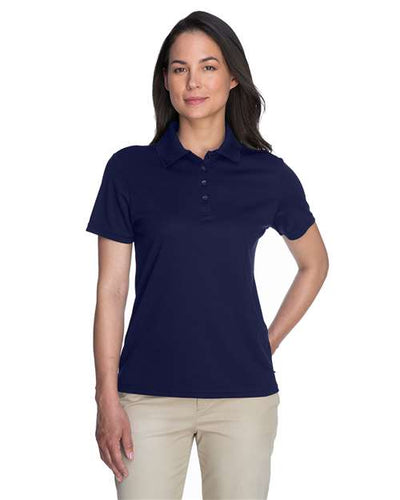


 +10Core365 78181 - Women's Origin Performance Piqué Polo - Classic NavyStarting at $12.15Core36578181
 -


Pique Knit Polo Shirts: The Standard Construction for Embroidery and Uniform Programs
Buying Guide for Wholesale Pique Knit Polo Shirts
Pique vs Jersey: Why Construction Determines Embroidery Cost
Jersey polo blanks require a water-soluble topping sheet on embroidery placements to prevent thread from sinking into the smooth surface. Pique polo blanks grip thread mechanically through the raised grid structure, eliminating the topping step on most standard left-chest and chest logo placements. On production runs of 100 or more pieces, that is a measurable reduction in per-piece labor cost.
All-Cotton Pique vs Cotton-Poly Pique: Match the Blank to the Account
All-cotton pique (Gildan G380, Harriton M200) is the standard for school, corporate, and event programs. Cotton-poly pique (Jerzees 437 SpotShield, 65/35) adds a soil-release finish and shrink resistance, making it the preferred choice for food service and hospitality uniform accounts where the polo faces regular commercial laundry and stain exposure.
Stabilizer Setup for Pique Polo Embroidery
Use a medium-weight cutaway stabilizer (2.0 to 2.5 oz) for stitch counts above 8,000 on pique polo chest panels. For smaller placements under 5,000 stitches on stable cotton pique blanks like the Gildan G380, a single layer of tearaway is workable. Cutaway produces cleaner results on programs with dense fill areas or large logo coverage.
DTF on Pique Polo Body Panels
DTF transfers apply cleanly to the flat body panels of pique polo shirts. Press at 320 to 330 degrees Fahrenheit for 12 to 15 seconds with firm pressure. The pique texture will show through thin transfer film on the finished piece, which is consistent and expected across a production run. Test on the target color before committing to a full job.
Wholesale Pique Knit Polo Shirts for Embroidery and Uniform Programs
Cotton and Cotton-Poly Pique Styles in Stock
All-cotton pique (Gildan G380, Harriton M200) and cotton-poly pique (Jerzees 437 SpotShield) in stock across core colors. Both constructions are pique-knit and embroidery-compatible. Match the fabric content to the account type: all-cotton for school and corporate, cotton-poly for hospitality and food service.
Raised Grid Texture Eliminates Topping Sheet on Most Placements
Pique knit construction grips embroidery thread mechanically. Stitch definition stays sharp on left-chest and chest logo placements without water-soluble topping on most standard designs, reducing per-piece production time on high-volume uniform runs.
Wholesale Pricing With Automatic Case Discounts
All pique polo styles are priced at wholesale with bulk discounts that increase above single-case quantities. Case pricing applies automatically at checkout. No minimum order required on any style, from single pieces to multi-case program orders.
Fast US Shipping on Stocked Colors
Core pique polo styles in stocked colors process same day on orders placed before the cutoff. US warehouse fulfillment keeps lead times short for embroidery shops running tight production schedules on corporate and school uniform accounts.
Collar and Construction Stability Across Wash Cycles
Pique polo collars retain shape through repeated commercial washing. The Harriton M200 specifically holds collar structure across extended garment service life, which matters for corporate uniform accounts where consistency across multiple order dates is a client requirement.
Consistent Size Specs Across Production Runs
Gildan and Jerzees maintain consistent size measurements across dye lots on pique polo styles, which is a practical requirement for corporate and school uniform programs placing reorders months apart. Size drift across batches creates fulfillment and replacement complications for program accounts.