-
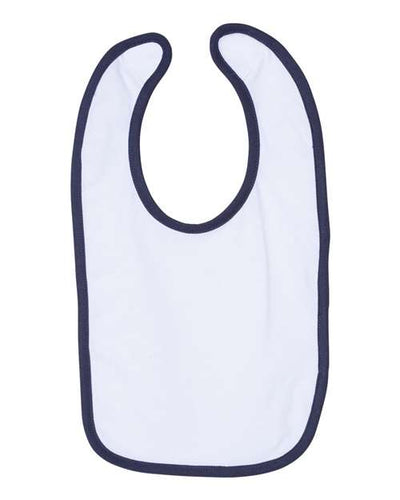


 +9Rabbit Skins RS1004 - Infant Jersey Contrast Trim Velcro™ Bib - White / NavyStarting at $2.57Rabbit SkinsRS1004
 -
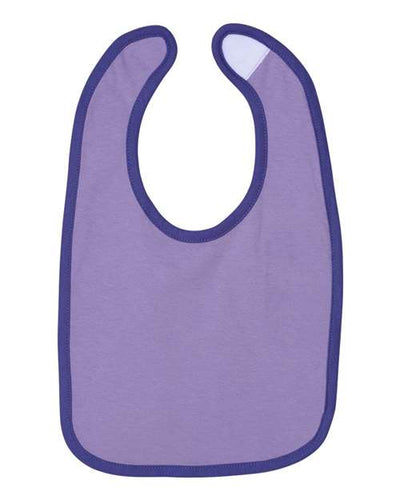
 +9Rabbit Skins RS1004 - Infant Jersey Contrast Trim Velcro™ Bib - Lavender / PurpleStarting at $2.57Rabbit SkinsRS1004
 -
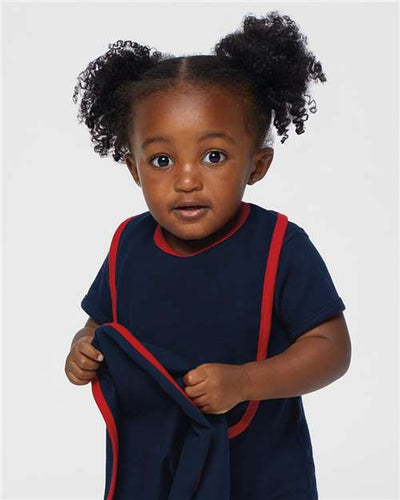 +9Rabbit Skins RS1004 - Infant Jersey Contrast Trim Velcro™ Bib - Navy / RedStarting at $2.57Rabbit SkinsRS1004
 -
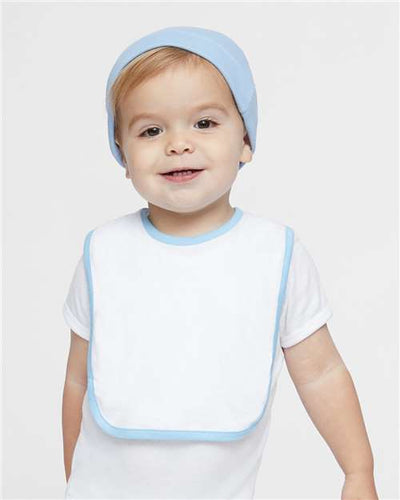 +9Rabbit Skins RS1004 - Infant Jersey Contrast Trim Velcro™ Bib - White / Light BlueStarting at $2.57Rabbit SkinsRS1004
 -
-
-
-
-
-
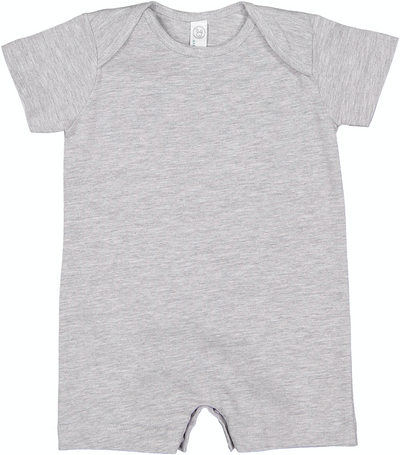 Rabbit Skins 4486 - Infant Premium Jersey T-Shirt Romper - HeatherStarting at $7.17Rabbit Skins4486
 -
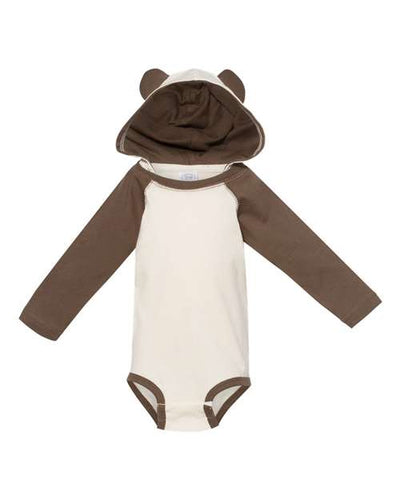

 Rabbit Skins 4418RA - Infant Long Sleeve Fine Jersey Bodysuit With Ears - Natural / BrownStarting at $9.36Rabbit Skins4418RA
 -
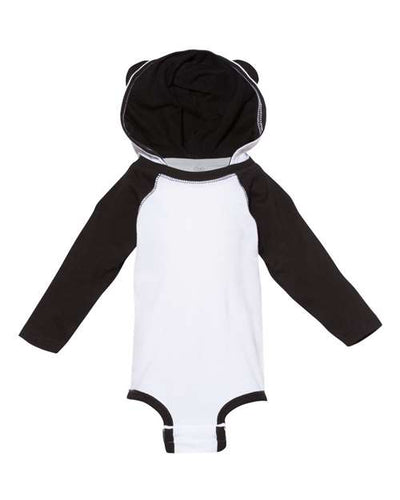
 Rabbit Skins 4418RA - Infant Long Sleeve Fine Jersey Bodysuit With Ears - White / BlackStarting at $9.36Rabbit Skins4418RA
 -
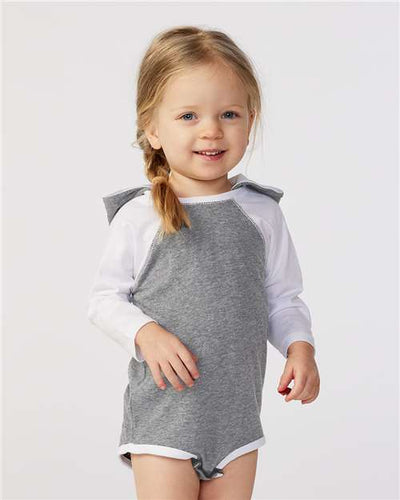 Rabbit Skins 4418RA - Infant Long Sleeve Fine Jersey Bodysuit With Ears - Granite Heather / WhiteStarting at $9.36Rabbit Skins4418RA
 -
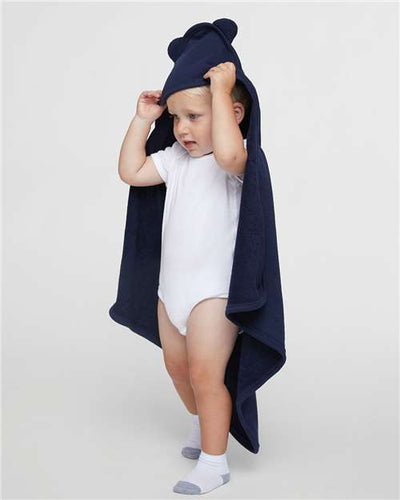


 Rabbit Skins 1013RA - Infant Hooded Terry Cloth Towel With Ears - NavyStarting at $8.95Rabbit Skins1013RA
 -
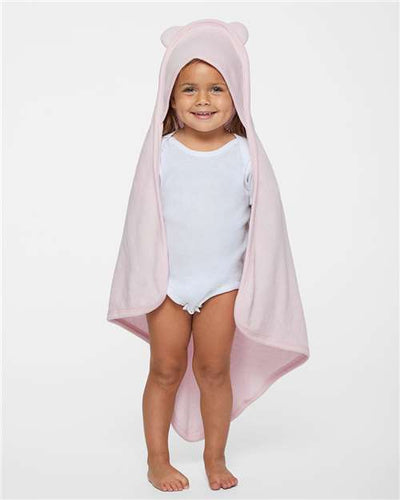
 Rabbit Skins 1013RA - Infant Hooded Terry Cloth Towel With Ears - BallerinaStarting at $7.54Rabbit Skins1013RA
 -
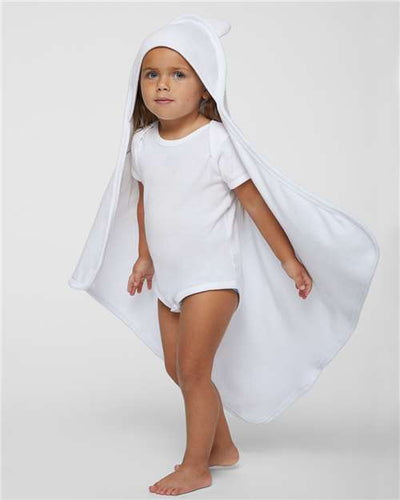 Rabbit Skins 1013RA - Infant Hooded Terry Cloth Towel With Ears - WhiteStarting at $8.95Rabbit Skins1013RA
 -
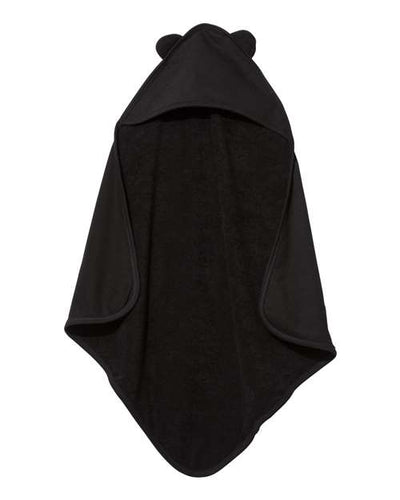 Rabbit Skins 1013RA - Infant Hooded Terry Cloth Towel With Ears - BlackStarting at $8.95Rabbit Skins1013RA
 -
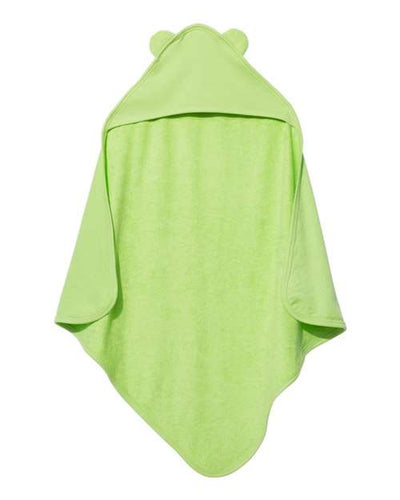 Rabbit Skins 1013RA - Infant Hooded Terry Cloth Towel With Ears - Key LimeStarting at $8.95Rabbit Skins1013RA
 -
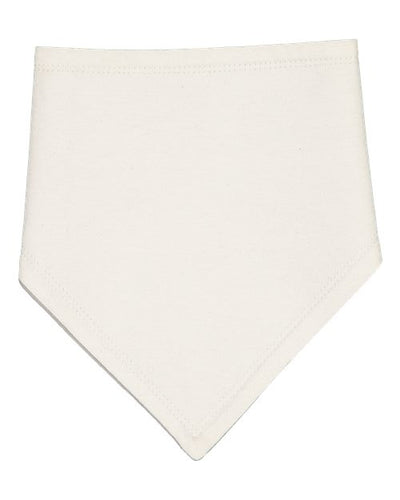


 +4Rabbit Skins 1012RA - Infant Premium Jersey Bandana Bib - Natural / TitaniumStarting at $2.45Rabbit Skins1012RA
 -
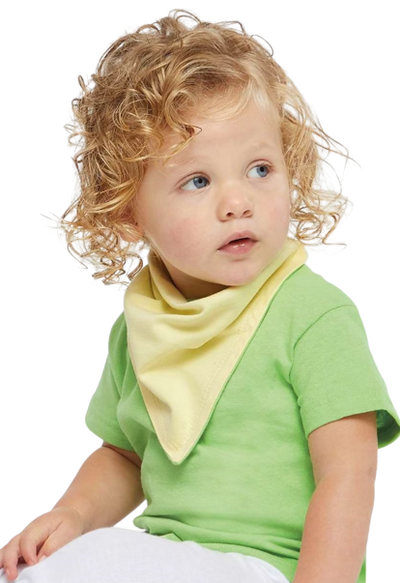 +4Rabbit Skins 1012RA - Infant Premium Jersey Bandana Bib - Banana / Key LimeStarting at $3.85Rabbit Skins1012RA
 -
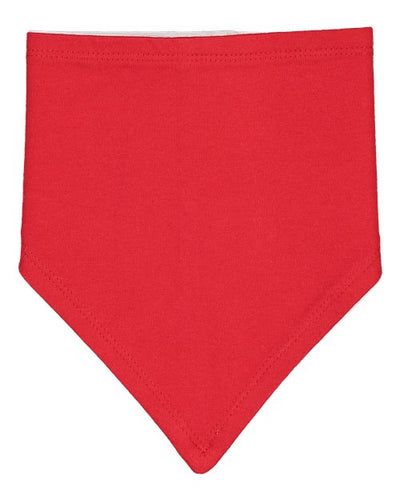 +4Rabbit Skins 1012RA - Infant Premium Jersey Bandana Bib - Red / WhiteStarting at $2.45Rabbit Skins1012RA
 -
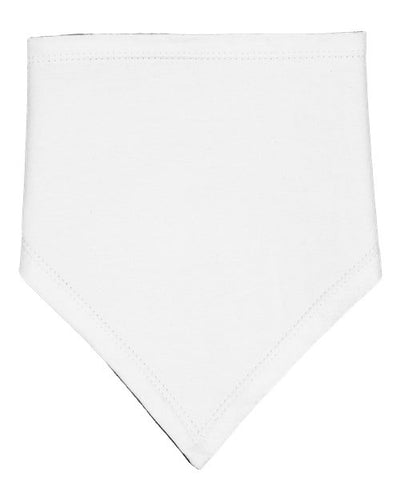 +4Rabbit Skins 1012RA - Infant Premium Jersey Bandana Bib - White / BlackStarting at $2.45Rabbit Skins1012RA
 -
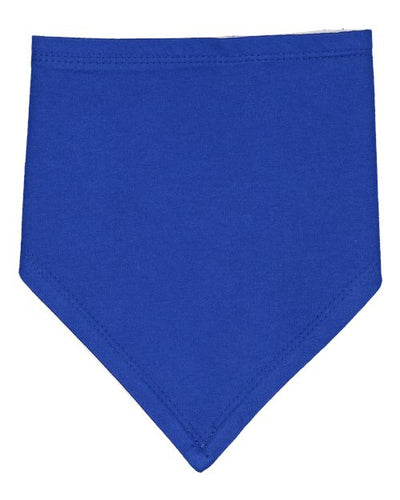 +4Rabbit Skins 1012RA - Infant Premium Jersey Bandana Bib - Royal / WhiteStarting at $2.45Rabbit Skins1012RA
 -
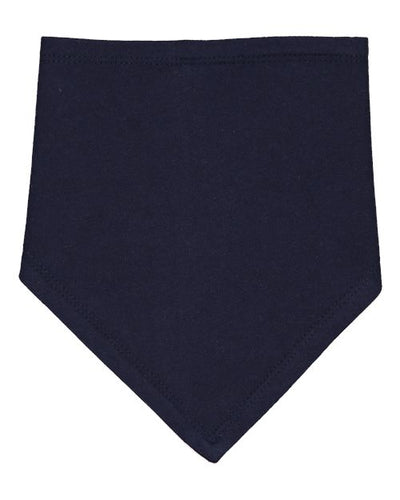
 +4Rabbit Skins 1012RA - Infant Premium Jersey Bandana Bib - Navy / WhiteStarting at $2.45Rabbit Skins1012RA
 -
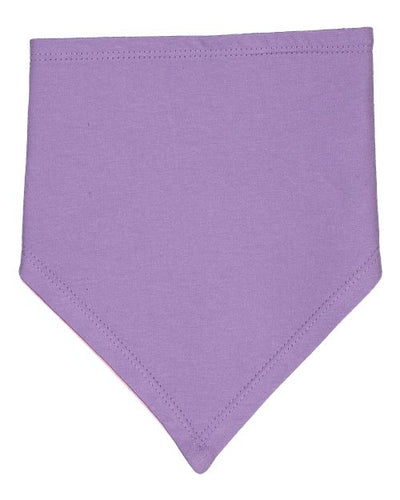 +4Rabbit Skins 1012RA - Infant Premium Jersey Bandana Bib - Lavender / PinkStarting at $2.45Rabbit Skins1012RA
 -
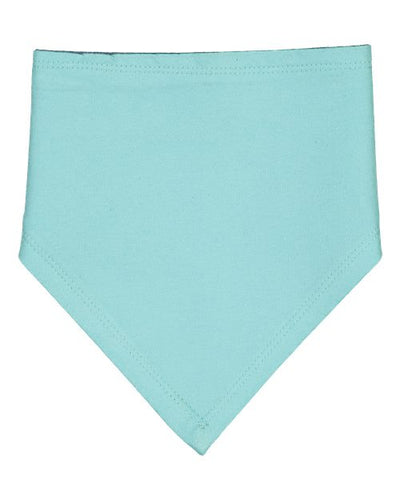 +4Rabbit Skins 1012RA - Infant Premium Jersey Bandana Bib - Chill / IndigoStarting at $2.45Rabbit Skins1012RA
 -
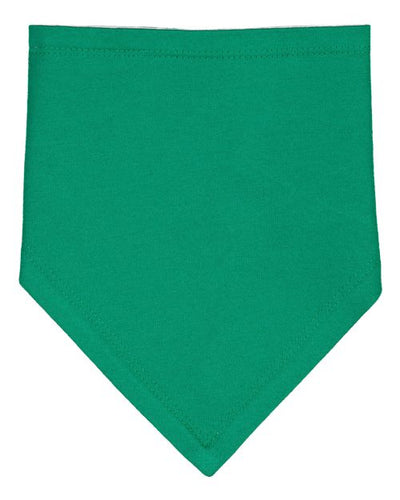 +4Rabbit Skins 1012RA - Infant Premium Jersey Bandana Bib - Kelly / WhiteStarting at $2.45Rabbit Skins1012RA
 -
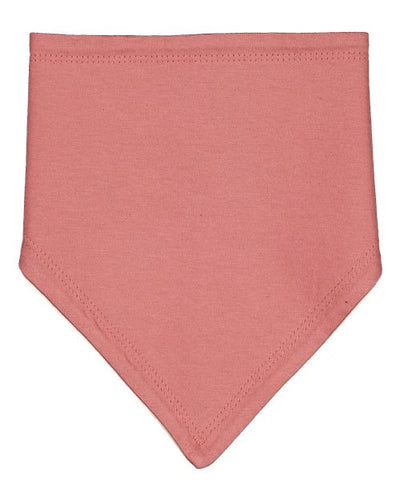 +4Rabbit Skins 1012RA - Infant Premium Jersey Bandana Bib - Mauvelous / NaturalStarting at $2.45Rabbit Skins1012RA
 -
-
-
-
-
-
-
-
-
-
-
-


Infant Blank Apparel: CPSIA Compliance, Snap Hardware, and Decoration Setup
Buying Guide for Wholesale Blank Infant Bodysuits and Onesies
Micro Platen Required for Bodysuit Screen Printing
Snap closures at the bottom of an infant bodysuit prevent standard youth or adult platens from seating correctly. A micro platen or dedicated infant bodysuit fixture with a snap-clearance notch is required. Print area on a 12M bodysuit chest is approximately 4 to 6 inches wide by 4 to 5 inches tall. Build artwork at final output dimensions before burning screens.
DTF on Infant Garments: Reduce Temperature and Pressure
Standard DTF settings (300 to 320 degrees, medium-firm pressure) can scorch lightweight infant fabric or damage snap hardware. Start at 280 to 290 degrees Fahrenheit, light pressure, 10 seconds, cold peel. Position transfers at least one inch above the top snap. Test on a production blank before committing to a full run.
CPSIA-Compliant Inks for All Infant Runs
Infant garments require CPSIA-compliant inks free of phthalates, lead, and restricted substances. Confirm compliance with your ink supplier before any infant print run. Water-based and discharge inks that meet CPSIA standards are a lower-risk default. This is not optional: infants mouth-contact garments routinely.
Snaps vs. No Snaps: Bodysuit vs. Infant Tee
Rabbit Skins RS4400 bodysuit has a three-snap closure, covering the diaper area but requiring snap-aware press setup. Rabbit Skins RS3322 infant tee is a pull-on without snaps, simpler to print but covering less of the body. Bella Canvas 100B offers a fashion-tier bodysuit with Airlume combed cotton construction.
Wholesale Blank Infant Bodysuits for Screen Printing and DTF Programs
Rabbit Skins and Bella Canvas 100B
The two most stocked wholesale infant blank brands in one place. Rabbit Skins RS4400 for high-volume bodysuit programs, RS3322 for snap-free infant tee runs, and Bella Canvas 100B for retail-quality decorated orders. All carry CPSIA tracking labels.
CPSIA Compliant with Manufacturer Tracking Labels
Every infant blank in this collection carries the manufacturer-embedded CPSIA tracking label required for garments intended for children under age 12. Labels include brand name, production batch, and country of origin. Do not remove or cover tracking labels on finished goods.
Decoration-Ready with Documented Print Constraints
Product pages include fabric weight, snap closure geometry, and print area dimensions by size so decorators can confirm setup requirements before ordering. Infant bodysuits are print-ready substrates when the correct platen, ink, and transfer settings are used.
Bulk Pricing with No Minimums
All blank infant bodysuits and tees priced at wholesale bulk rates. Case pricing applies automatically. No minimum order required on any infant style. Mix sizes within an order to cover Newborn through 24M for full program fulfillment.
Fast US Shipping on Stocked Colors
Core infant styles from Rabbit Skins ship from US domestic warehouses. Stocked colorways process same day on orders placed before the daily cutoff. Combine infant sizes with toddler and youth styles in a single order for full age-range program delivery.
Age-Based Sizing from Newborn to 24 Months
Infant sizing (NB, 6M, 12M, 18M, 24M) is referenced to the child's age, not body measurements. Size charts vary by brand. Confirm brand-specific fit charts before submitting production artwork and advise end customers to size up when uncertain.